
Our mission
Clinical nutrition, built around you.
To give every client one-to-one clinical nutrition built on evidence: a plan measured on their own body composition and lab results, adjusted at every follow-up, from wherever they are.
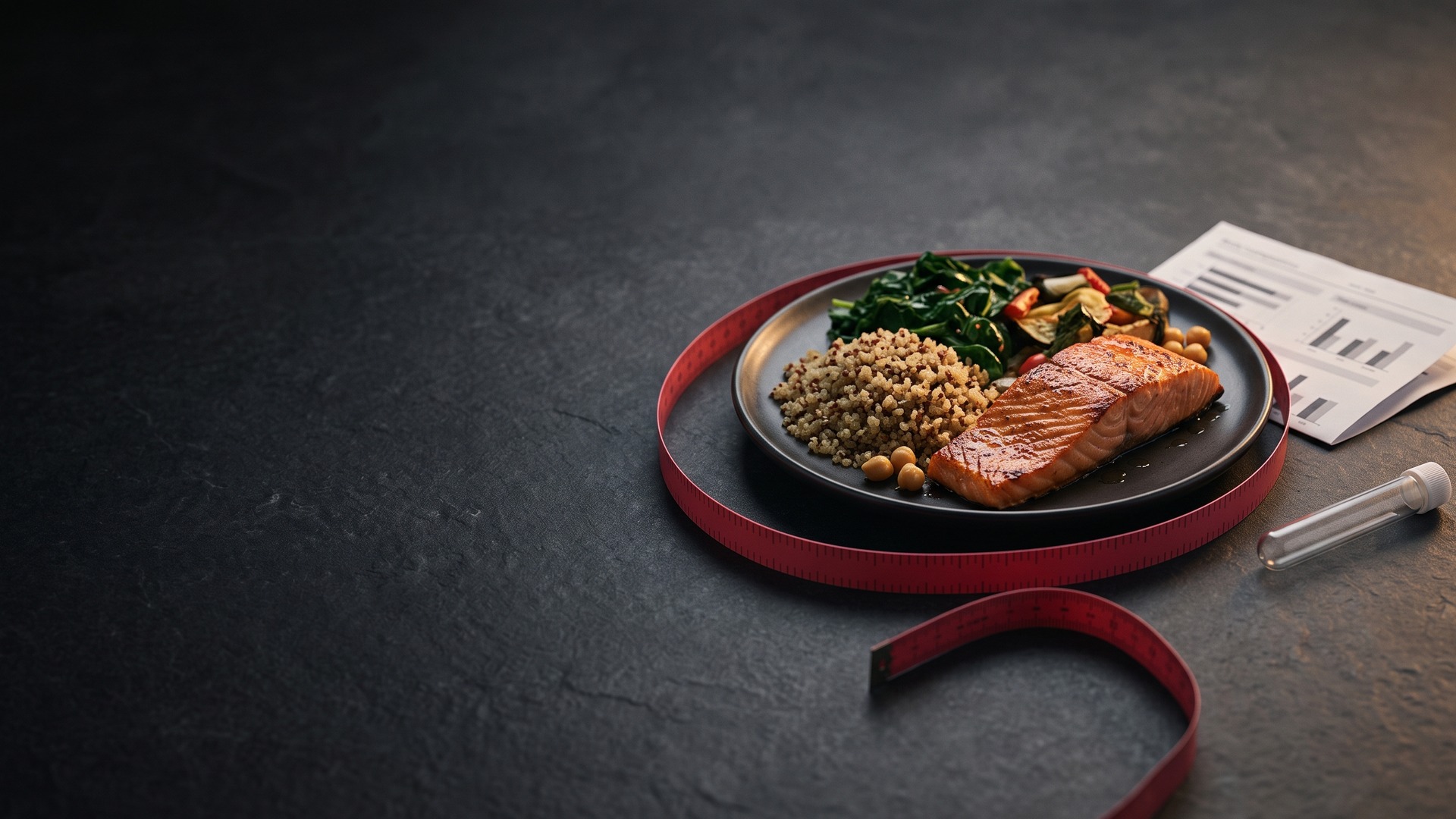
Nutricrave is a fully online practice: one doctor, one client, and a plan measured on that client's own body and lab results. No clinic, no queue, no printed diet sheet.
Meet Dr. SameehTo give every client one-to-one clinical nutrition built on evidence: a plan measured on their own body composition and lab results, adjusted at every follow-up, from wherever they are.

A region where people eat for the body they are building, where nutrition advice comes from a clinician, and where supplements are taken only when they help, at a dose that is safe.
Every recommendation can be traced to a study, a guideline or your own numbers.
Body composition, labs and habits decide the plan, not a chart on a wall.
One doctor, one client, one conversation at a time. Nothing is delegated.
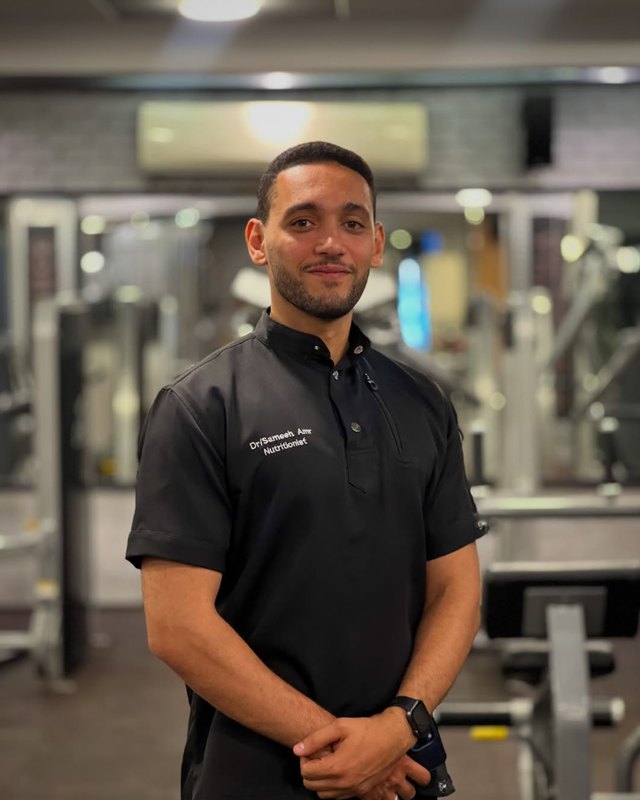
Clinical nutritionist and pharmacist, founder of Nutricrave
Dr. Sameeh has spent more than eight years helping people lose fat, build muscle and live better with health conditions, as a nutritionist at Wadi Degla Club, Diet Hub Clinic, gyms and a physical therapy clinic in Cairo. Nutricrave brings that work online, so you can see him from wherever you are.
Since 2021 he has also worked at Egypt's National Food Safety Authority, where he is now a Senior Regulatory Affairs and Dietary Supplement Inspector. He inspects supplement factories for good manufacturing practice, food safety management and HACCP, and reviews companies' scientific files: doses, health claims, warnings, contraindications and safe upper limits. It shapes how he advises: supplements only when they help, at a dose that is safe with everything else you take.
There is no single diet that suits everyone, so the plan starts from you. You answer most of this in the booking form; the consultation is for going through it together.

The same plate, divided differently for each goal. Pick a goal and watch the portions move.
Half the plate is vegetables for volume and fibre, protein is generous to keep you full and protect muscle, and starch stays at one cupped hand.
A starting shape, not a prescription: your own plan sets the grams from your body composition, labs and routine.
Six things clients often hear about food, answered the way the doctor answers them in a consultation. Make your guess and the card turns to the answer.

Eating after 8 PM turns into fat. Myth.
Your body counts the day's total, not the clock. A late dinner matters when it adds extra calories or cuts into your sleep, so your plan sets meal times around your routine.
Bread has to go if you want to lose weight. Myth.
Fat loss comes from the overall balance, not from banning one food. Baladi bread brings fibre and can stay in a measured portion; cutting it out completely is hard to keep up.
Protein shakes harm the kidneys. Myth.
For healthy kidneys, protein within the recommended range has not been shown to cause harm. With kidney disease the amount needs medical adjustment, which is why your history and labs come first.
If the scale is not moving, nothing is changing. Myth.
Weight can hold still while fat goes down and muscle goes up. That is why your follow-up reads body composition with InBody, not only the number on the scale.
Fresh juice is not the same as eating the fruit. Fact.
Juicing removes most of the fibre, so the sugar reaches the blood faster and three fruits fit in one glass. Whole fruit keeps you full for longer.
Breaking the fast with water and dates is a good start. Fact.
Water and one to three dates bring back fluid and quick energy gently. A short pause before the main iftar then helps you eat it calmly.
Choose how you would like to meet. It takes about two minutes.