
The right effort, not the most.
Walking, cycling, rowing, a walk to run programme or short intervals: cardio helps your heart, your mood and your fat loss when it is done at the right effort. A Nutricrave cardio plan measures that effort with the talk test, builds week by week, and fits around your weights and your joints.
Dr. Sameeh AmrClinical nutritionist and pharmacist

How hard is hard enough?
Five zones from easy to very hard, told by how well you can talk. Pick a kind of session and see where it sits and how it runs.
- EasyYou can chat easily.Warm-ups, cool-downs, recovery days.
- SteadyThis sessionFull sentences, breathing deeper.Most walks, rides and long cardio.
- ModerateShort sentences only.Brisk walks uphill, tempo sessions.
- HardA few words at a time.Short hard pieces for the fit.
- Very hardNo talking.The work in an interval session.
Examples only. Your plan sets the sessions and the zones from your fitness, your joints and any medicines.
A home cardio circuit
Thirty seconds each, straight into the next, then a minute of easy walking: four rounds. New to it? Twenty seconds on, ten off, two rounds, and step instead of jumping.

 Jumping jacks30 s
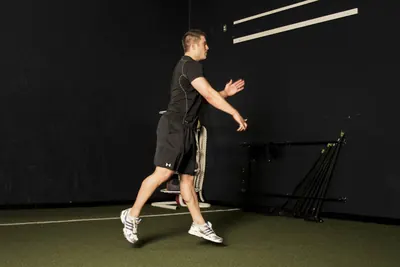 Jumping lunges30 s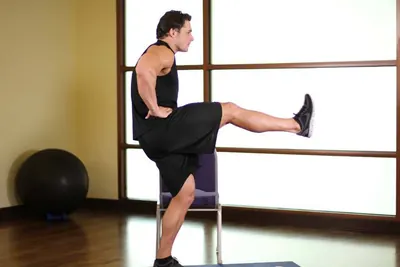
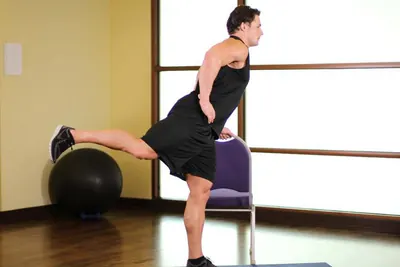 High kicks30 s
 Burpees30 s
 High knees30 s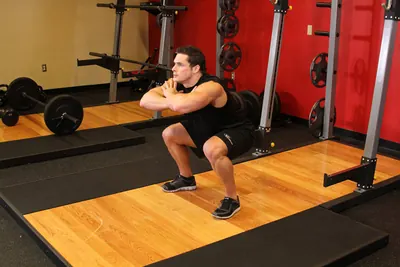
 Jump squats30 s
A cardio plan measured, not guessed.
- Effort you can feel
- The talk test and an effort scale from 1 to 10 set every session, so you never need to guess.
- Steady first, then intervals
- Most of your cardio is easy to moderate; short intervals come later, no more than twice a week.
- Walk to run, step by step
- From walking to running thirty minutes over about nine weeks, repeating any week that felt too hard.
- Easy on the joints
- Cycling, the elliptical or rowing when running is not right for your knees or your weight yet.
Is this plan for you?
- You want to get fitter and breathe easier on the stairs.
- You want to start walking or running and keep at it.
- You do cardio but do not know how hard to go.
- You want cardio that helps fat loss without hurting your joints.
- You have high blood pressure or diabetes and want to move safely.
What the doctor looks at
- Your fitness and daily steps
- Your joints and your weight
- Heart, blood pressure and medicines
- Your weights plan and your goal
You answer most of this in the booking form, so the consultation is spent on you.
Heard it before? Check it here.
Two things people often hear about training, answered the way the doctor answers them in a consultation. Make your guess and the card turns to the answer.
- 01
Cardio only counts after thirty minutes.
Myth or fact?Cardio only counts after thirty minutes. Myth.
Every bout adds up. Ten minute walks after meals, done often, count toward your week and can help your blood sugar too.
- 02
Most of your cardio should feel fairly easy.
Myth or fact?Most of your cardio should feel fairly easy. Fact.
Steady sessions build your fitness and recover quickly. Hard intervals work best as a small part of the week, not every day.
Before you book.
What people usually ask about this plan.
Something else on your mind?
Ask Dr. Sameeh on WhatsAppMost sessions should let you talk in full sentences: that is the steady zone. Harder intervals, when you can only say a few words, come once or twice a week once you are fit enough.
For many people, yes, especially at the start. Brisk walking on most days counts toward the hundred and fifty minutes a week that health guidelines suggest, and it is easy on the joints.
Some medicines keep the heart rate low, so the plan uses the talk test and the effort scale instead of a heart rate target, and your doctor stays in charge of your treatment.
Training for every goal.
- All workout plansYour week of training, planned like your meals.
- Gym workout plansFull body to pro split, picked for your week.
- Home workoutsBodyweight, dumbbells or bands, at home.
- Training for fat lossWeights, steps and cardio in the right mix.
- Building muscleSets, progression and protein that add up.
- Training for womenGlutes, legs and strength, with PCOS and pregnancy in mind.
And the food that goes with it
- Book an appointment
- Book an appointment
- Book an appointment
- Book an appointment
- Book an appointment
- Book an appointment
Book your workout plan.
Choose an online meeting or a phone call. Dr. Sameeh confirms your time by email.
Your goal
The booking form opens on a workout plan with this goal chosen. Pick another if it fits you better.
Online, wherever you train.
- 01Book a timeChoose Workout plan or Both, then an online meeting or a phone call. Booking takes about two minutes.
- 02Tell us how you trainThe booking form asks where you train, your level, the days you have and anything that hurts.
- 03Meet the doctorDr. Sameeh goes through it all with you, one to one, and sets your split and your targets.
- 04Train with your planYour plan comes in English or Arabic with every exercise pictured, and is updated at each follow-up.